Hotel Textiles
Popular Products
Hotel Textiles Procurement Guide: Towels, Bathrobes and Bed Linen explains the purchasing considerations that matter to hotel buyers, laundry managers and housekeeping teams. Selecting hotel textiles involves the service standard of the property, daily room preparation and the replenishment cycle. This guide focuses on practical technical checks, sampling and comparing quotations with a consistent scope.
Before ordering in volume, assess your property’s room count, occupancy variations, seasonal operation and current inventory. Instead of choosing on unit price alone, consider guest experience, useful life, housekeeping labour and replenishment frequency. Agreement between purchasing, housekeeping and technical teams on a written specification can reduce mismatches after delivery.
Request written technical details and, where practical, physical samples before approving an order. Review samples in the intended environment, not only in photographs. Depending on product type, check dimensions, weight, feel, presentation, maintenance and labels. Record a product reference and the agreed sample so later deliveries can be compared with the original approval.
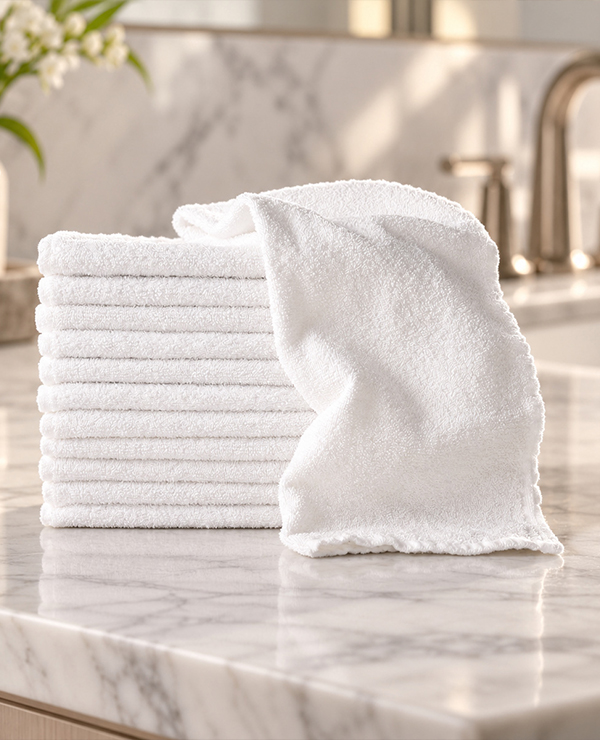
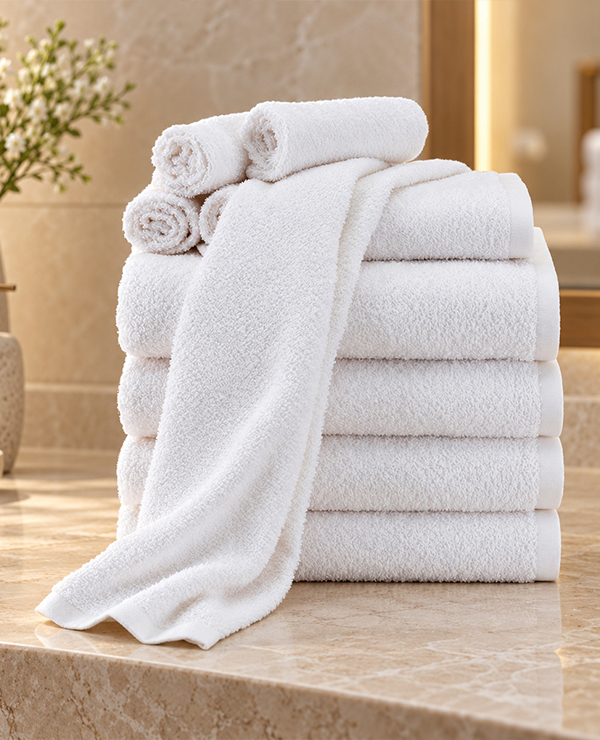
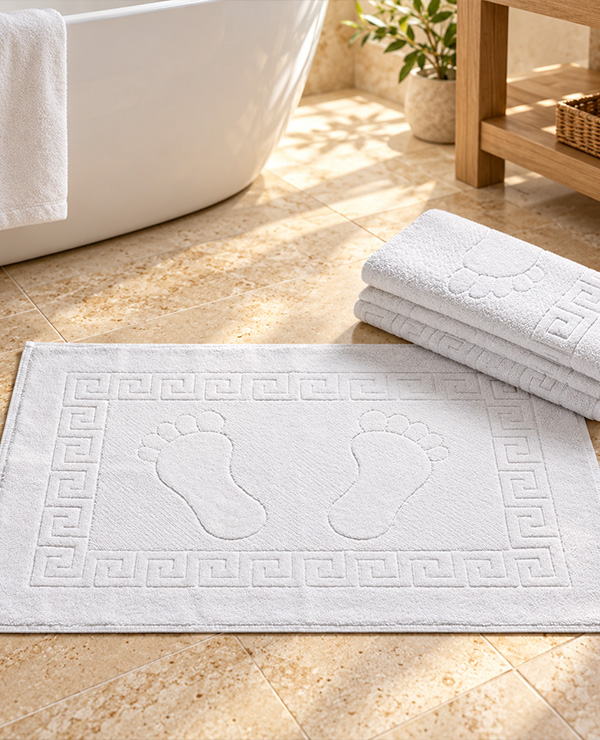
Hotel towel purchasing should not be based solely on initial softness. Fabric weight, yarn construction, absorbency, drying time, edge durability and repeated commercial-laundry conditions should all be assessed.
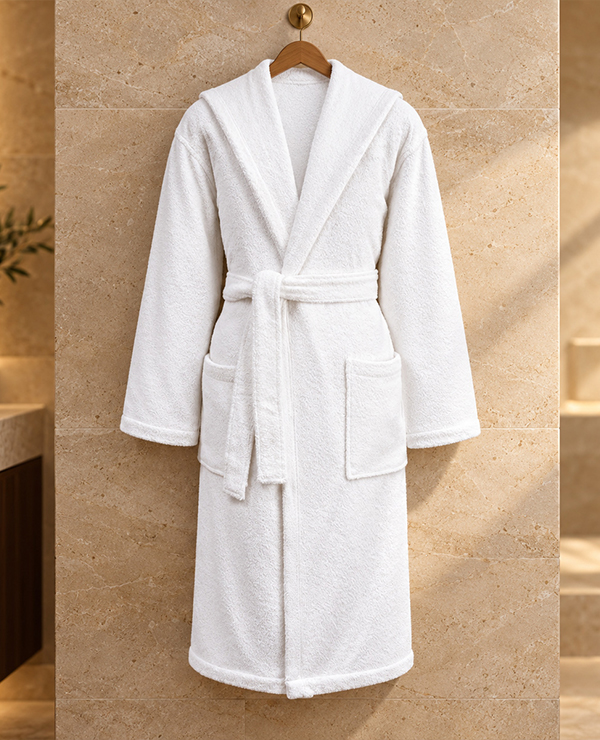
For bathrobes, compare shawl-collar and kimono styles alongside size distribution, belt and pocket details, garment weight and storage needs. Spa and room use may justify different choices.
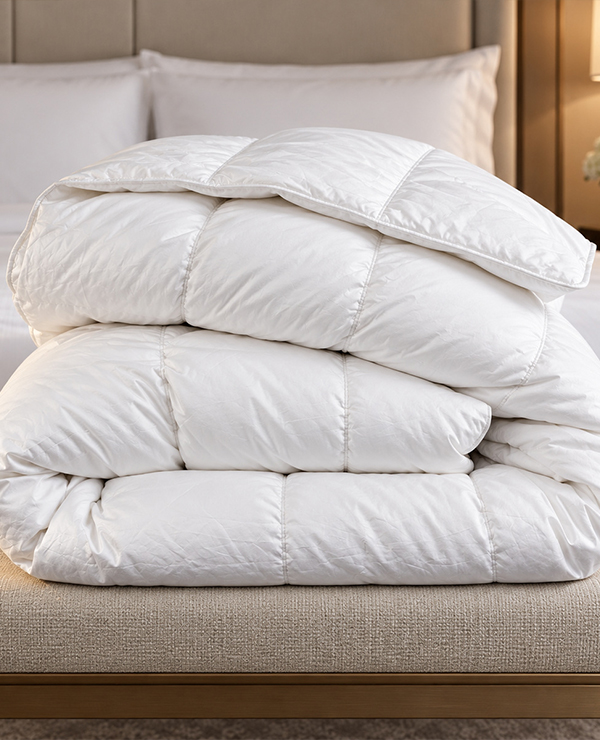
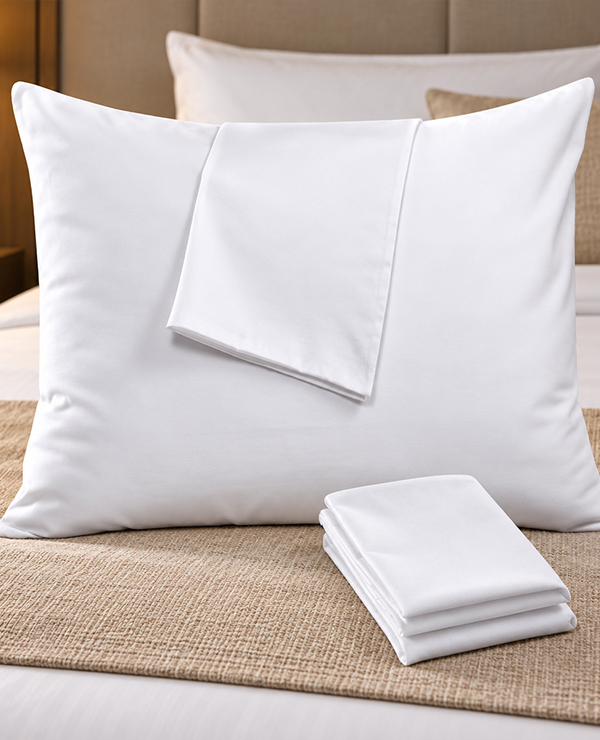
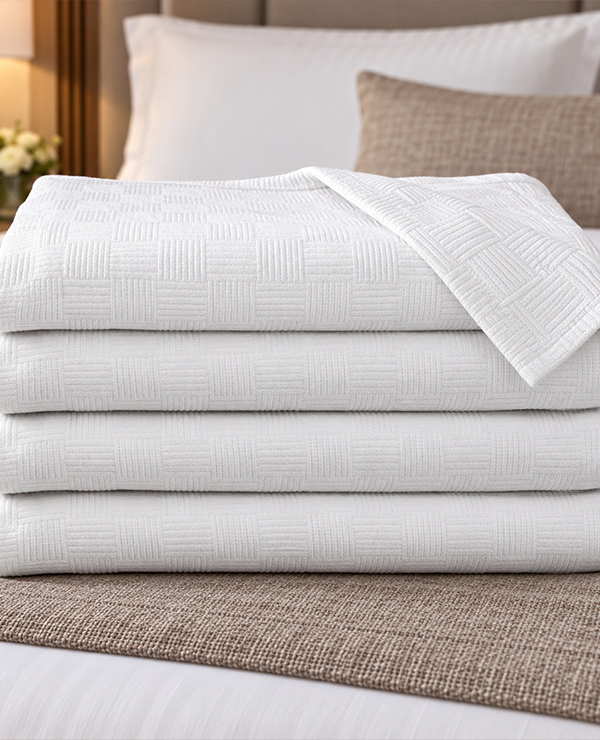
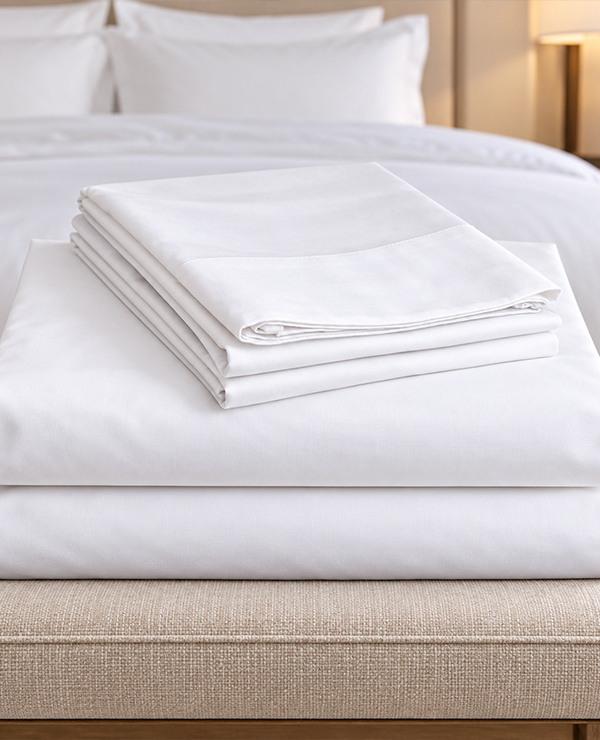
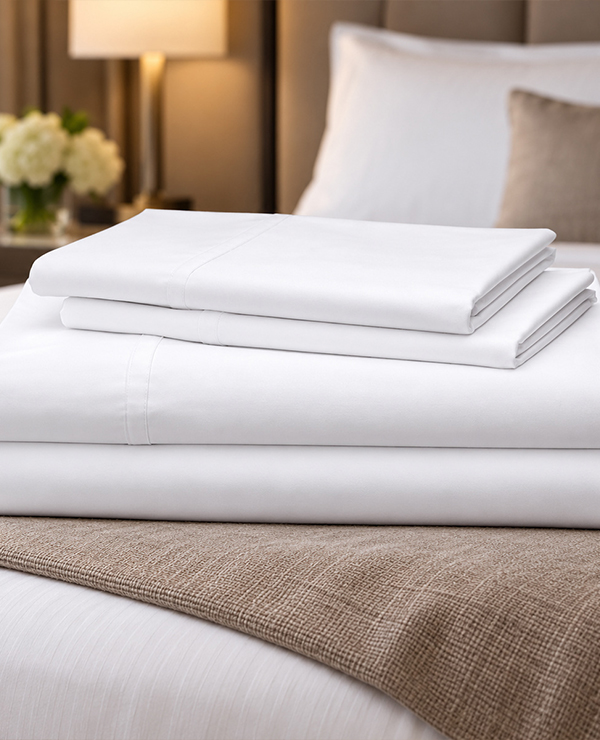
Assess duvet covers, bed sheets, pillowcases and waffle blankets as a coordinated system. Mattress size and depth, fabric specifications, laundering methods and ironing processes influence compatibility.
For white textiles, batch variation, shrinkage allowances and post-wash appearance can affect the consistency of room presentation. Sample wash tests and acceptance criteria should be agreed before ordering.
Compare quotations with equivalent product specifications, quantities and delivery conditions. Include minimum order quantity, lead times, units per carton, storage requirements, returns and seasonal demand in the total purchasing model. Ask suppliers how they maintain consistency across replenishment orders and what happens if a selected item is discontinued.
Amenities and equipment contribute to the experience guests associate with a hotel, even when they are not individually expensive. Colour, packaging, placement and coordination with nearby products can be important. For custom-branded items, define artwork approval, proofs and final inspection before production begins.
Provide the intended application, estimated monthly usage, quality expectations, target delivery window and any reference images or technical examples. This allows a supplier to propose relevant options instead of a generic price list. When reviewing the Çarşım Group catalogue, combine sample requirements, customisation and replenishment timing in the same enquiry.
Before approving the purchase, document the intended use, approved sample reference, units and quantities, carton configuration, lead time, delivery destination and acceptance conditions. An opening-season bulk order and an urgent mid-season replenishment may require different logistics arrangements. For multi-property hotel groups, consider each location’s consumption rate, storage space and visual brand requirements separately. A clear scope of supply makes price comparisons meaningful and reduces the likelihood of inappropriate surplus inventory.
Related categories: Bath Towels, Hotel Bathrobes.